
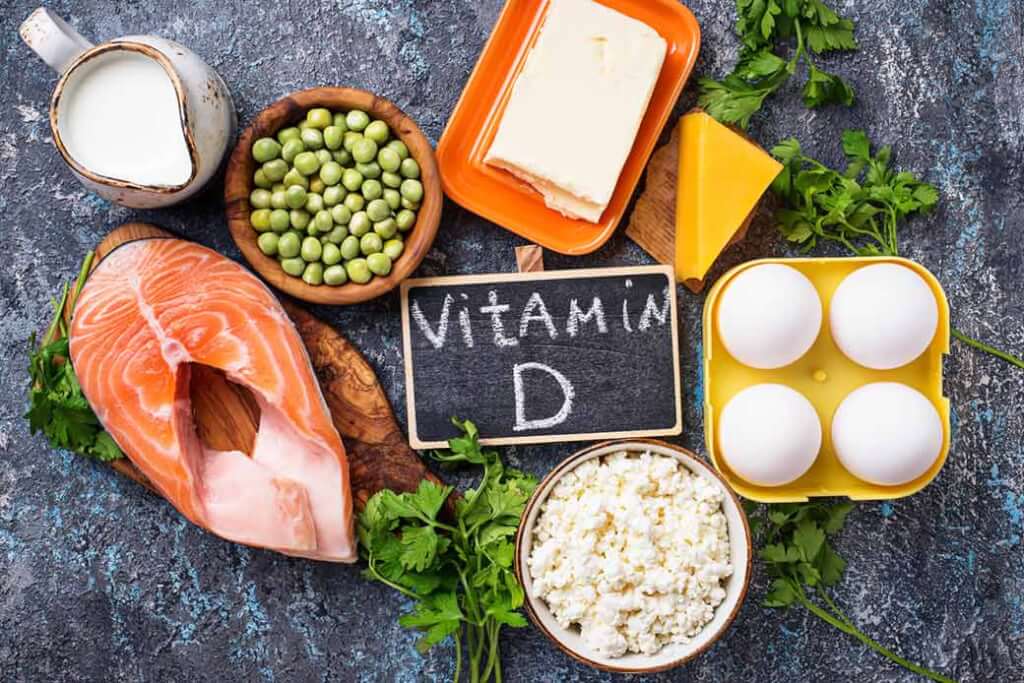
Let’s talk about vitamin D. Vitamin D is a nutrient we all need on a daily basis. Vitamin D does a lot of important stuff in our bodies from maintaining bone health to immune function. It’s something we need every day, but not everyone is able to get the vitamin D their bodies require.
Are you getting enough vitamin D?
The first question you may have is how much vitamin D do you actually need? According to the Institute of Medicine (IOM), the Recommended Daily Allowance (RDA) for vitamin D varies by age but is the same for different genders.
IOM Vitamin D recommendations:
- Ages 0 – 12 months: 400 IU
- Ages 1 – 70 years: 600 IU
- Ages 70+ years: 800 IU
Pregnant and breastfeeding mom’s do not require additional vitamin D per the IOM. Some research has shown that vitamin D needs may be higher than the IOM’s recommendations, particularly in the elderly.
 People who are at the highest risk for not getting enough vitamin D include breastfed babies, the elderly, those who don’t get a lot of sun, people who have had gastric bypass surgery, those with darker complexions, and those with inflammatory bowel disease.
If you identify with any of the risk factors above it’s especially important that you get enough vitamin D. So, where does vitamin D come from? All of our vitamin D comes from three different sources.
Sources of Vitamin D:
- Sunlight
- Food
- Supplements
Vitamin D is known as the “sunshine vitamin” because it can be produced in our bodies when sunlight reaches the skin and triggers the synthesis of vitamin D. But getting a little sunshine is not as easy as it sounds. There are many variables that affect how vitamin D is synthesized through the skin.
 Those with darker completions may synthesize less vitamin D. Those who are keeping their skin safe by using sunblock or sun protective clothing are getting less vitamin D. People who live further from the equator also get less vitamin D from the sun. And we also know older adults synthesize less vitamin D from sunlight.
Sunlight often isn’t enough to get the vitamin D you need. After sunlight, the next source of vitamin D is food. Unfortunately, we don’t find vitamin D in a lot of different foods. It can be found in some fatty fish (like salmon and sardines), fish liver oil, eggs, fortified foods (like cereals and dairy).
It can be difficult to get the amount of vitamin D you need from food alone. Especially for the elderly who have higher vitamin D needs. Let’s take a look at what an older adult greater than 70 years of age would have to eat to meet the RDA of 800 IU of vitamin D through food alone.
Sample of daily foods:
- 2 eggs (74 IU)
- 4 ounces salmon (620 IU)
- 1 cup fortified cereal (50 IU)
- 1 cup fortified milk (98 IU)
If a senior ate these foods, they would have approximately 842 IU of vitamin D. But they would have to be very intentional to meet their vitamin D needs every day. Not everyone likes these foods and they can be difficult to eat on a daily basis without getting bored.
For those who cannot get vitamin D through sunlight and diet alone, for them supplementation is the best option. Vitamin D supplements comes as “D2” or “D3”. Be sure to select vitamin D3 as it is the best option for of supplementation. Vitamin D supplements often come in 1,000 IU, 2,000 IU, or 5,000 IU increments. Multivitamins also contain some vitamin D3 if you just need a little extra.
 What is the best way to know if you need more vitamin D? Getting your serum vitamin D levels measured through a blood test and working with your primary care provider is the best way to go. They can determine if you are clinically deficient in vitamin D and recommend the best level of supplementation.
Vitamin D is an important nutrient. It comes from several different sources, but it still can be hard to get enough every day. Many people are deficient in vitamin D, so make sure you are doing your best to get enough every day.
About Author